Things to do
Praça do Comércio
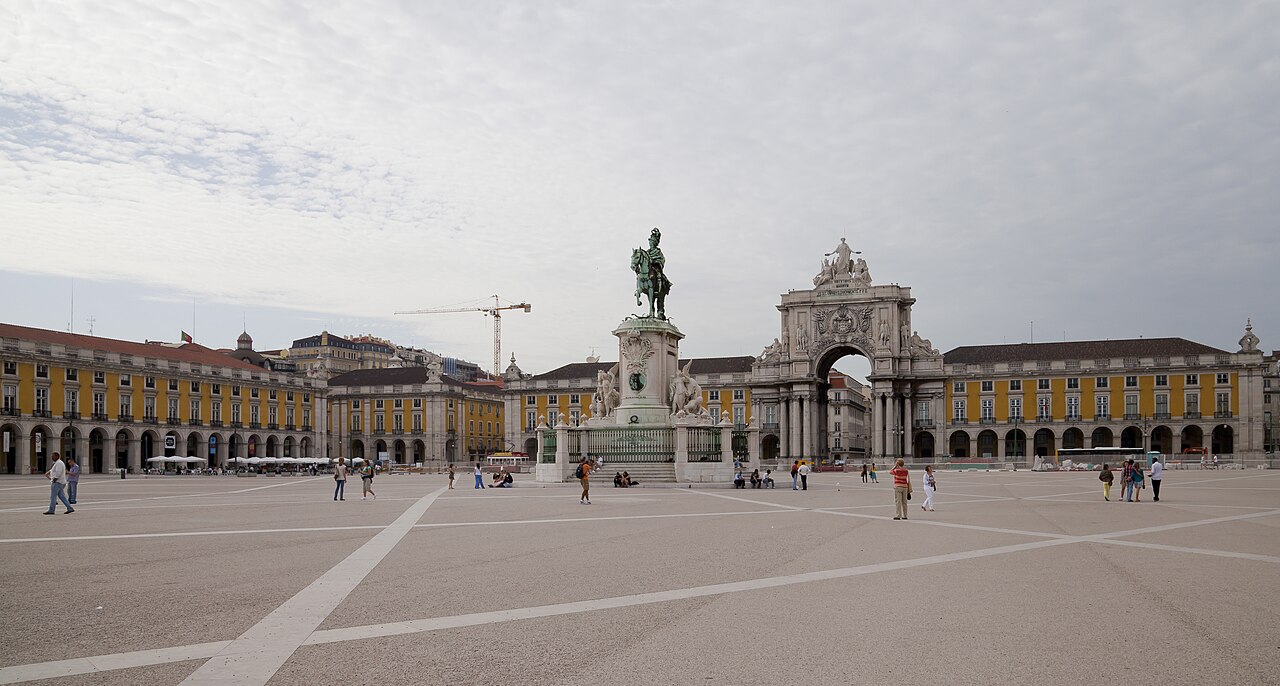
A harbour-facing plaza in Lisbon, Portugal, known in Portuguese as Terreiro do Paço, measuring 175 by 175 m.
We may earn a commission if you book through our links. It never changes the price you pay.
The short version
Praça do Comércio in brief
Praça do Comércio sits in Lisbon, Portugal, on the harbour. The Portuguese name Terreiro do Paço is also used for it. Its dimensions are 175 by 175 m, giving an area of 30,600 m2, and it is one of the largest squares in Portugal.
What to expect
The Tagus river lies to the south of the square. Ribeira Palace, where the King of Portugal lived, stood on this spot until the great 1755 Lisbon earthquake destroyed it. King Manuel I had a new royal residence built by the river outside the city walls, which gave the Ribeira development on the Tagus banks its early 16th-century push. Terreiro do Paço metro station is under the plaza.
Tips before you go
- Terreiro do Paço metro station is beneath the plaza, so you can step out directly onto it.
- Look south across the square to the Tagus river.
- The square is 175 by 175 m, so give yourself room to walk its full width.
Visit
Plan your visit
Find tours
Prices change daily. Check yours for your dates.
Find tours
We may earn a commission if you book through our links. It never changes the price you pay.
Related
More days out
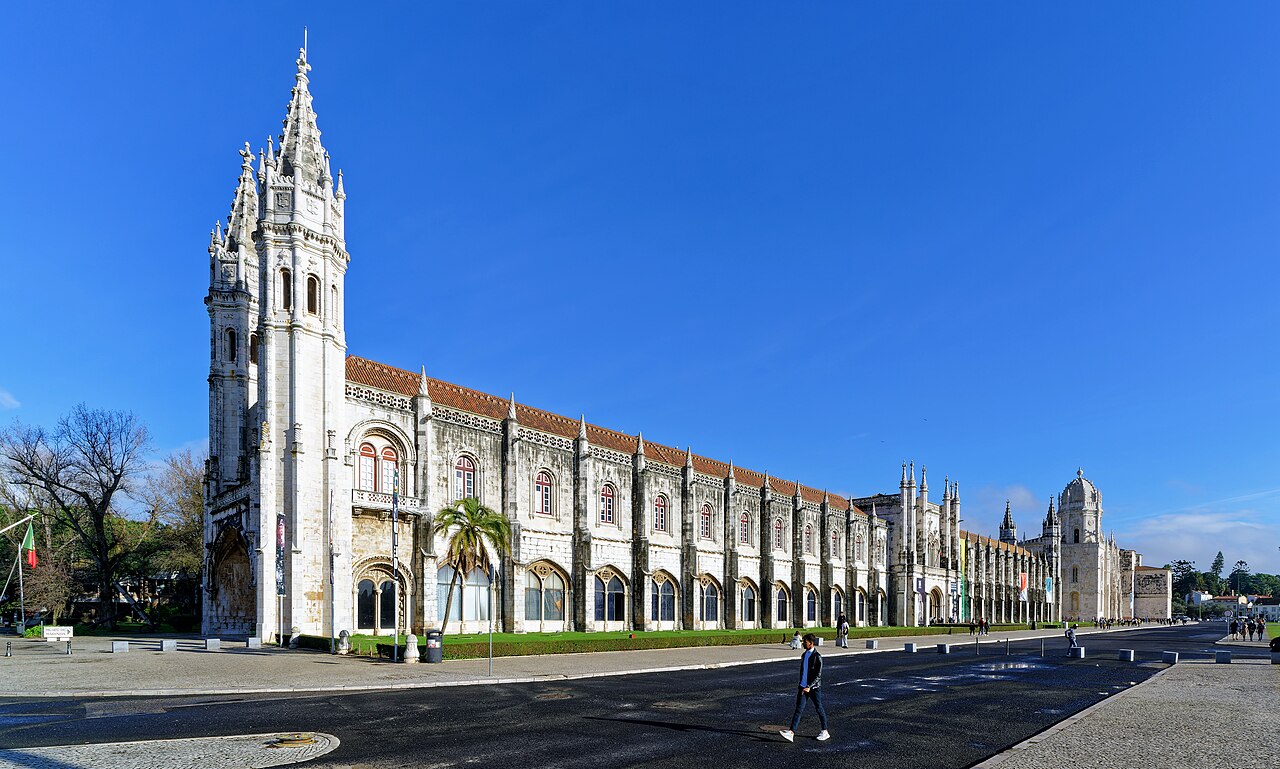
Jerónimos Monastery
Building in Santa Maria de Belém, Lisbon District, Portugal.
Questions
Praça do Comércio: quick answers
Checked 25 November 2026.
What is the Praça do Comércio?
It is a large plaza in Lisbon, Portugal, facing the harbour, and the Portuguese name Terreiro do Paço is also used for it. Its dimensions are 175 by 175 m, giving an area of 30,600 m2, and it is one of the largest squares in Portugal.
How do I get to the square by metro?
The metro station called Terreiro do Paço sits under the plaza, so you come up straight onto it. The Tagus river lies to the south of the square.
What stood here before the earthquake?
Ribeira Palace, where the King of Portugal lived, stood on this spot until the great 1755 Lisbon earthquake destroyed it. King Manuel I had a new royal residence built by the river outside the city walls.