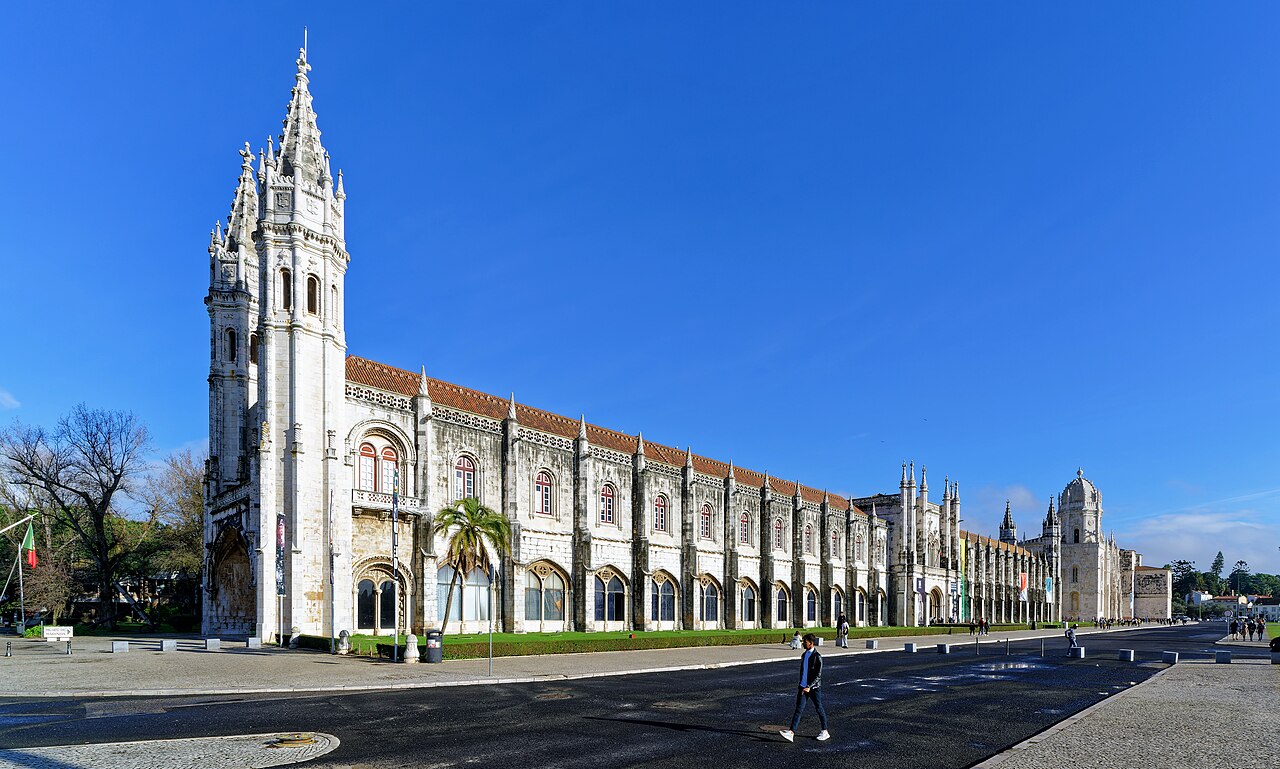
Jerónimos Monastery
Building in Santa Maria de Belém, Lisbon District, Portugal.
Things to do
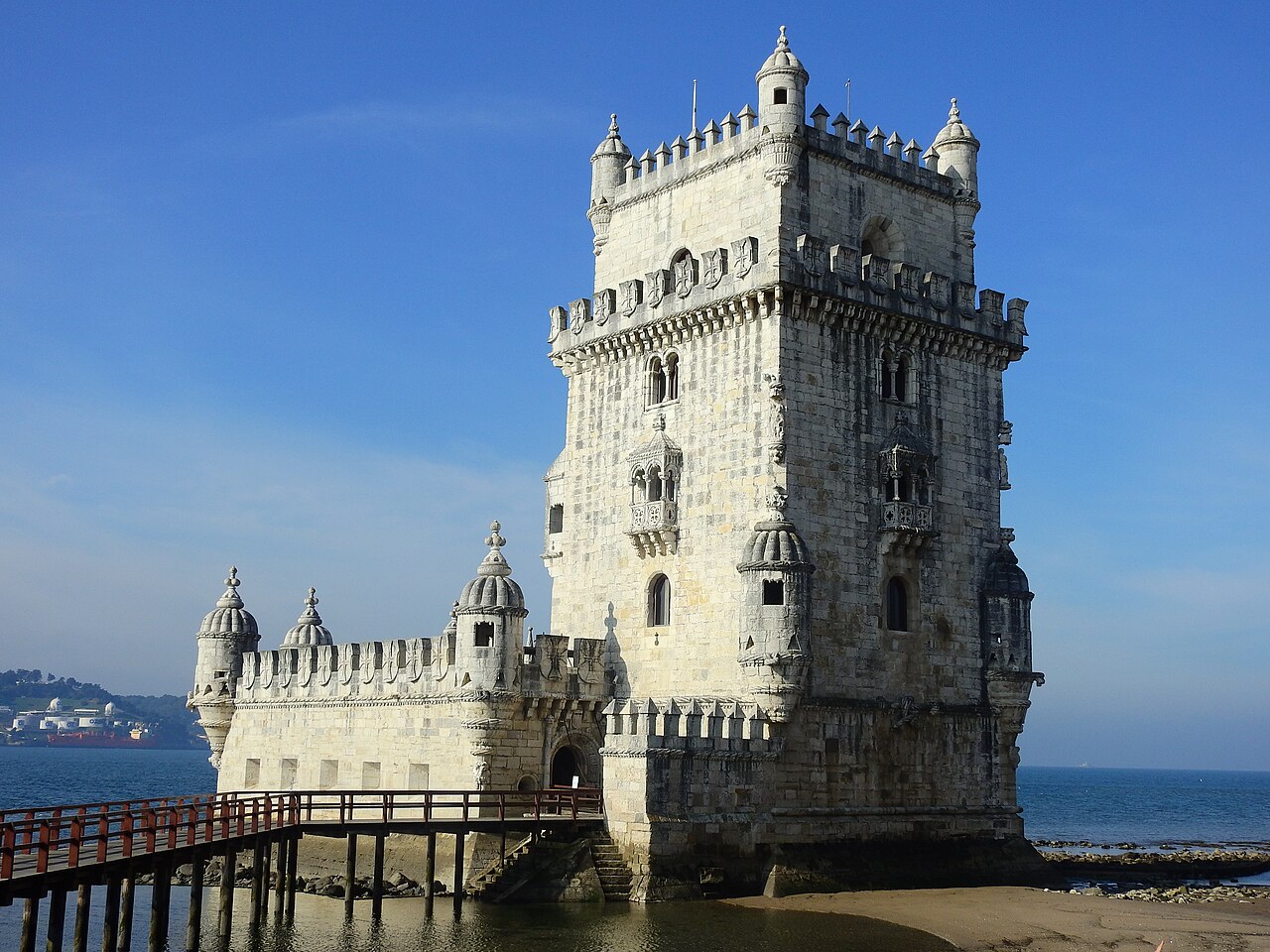
A castle in the Belém area of Lisbon, built in the 16th century and known as the Tower of Saint Vincent.
We may earn a commission if you book through our links. It never changes the price you pay.
The short version
This Lisbon fortification on the Tagus is a 16th-century structure whose official name is the Tower of Saint Vincent. Portuguese explorers set out from it and came back through it, and it acted as a ceremonial gateway into the city. You find it in the Belém area.
The building belongs to the Portuguese Renaissance and is a noted example of the Manueline style, with minarets inspired by Moorish architecture worked into the design. Since 1983 it has been a UNESCO World Heritage Site alongside the Jerónimos Monastery, and it is often used as a symbol of Europe's Age of Discoveries. The Jeronimos Monastery lies on its eastern side, the Forte do Bom Sucesso on its western side. To the north stand the tower Governor's residence, the older Bom Successo fort residence and the Chapel of São Jerónimo.
Visit
Prices change daily. Check yours for your dates.
We may earn a commission if you book through our links. It never changes the price you pay.
Related
Building in Santa Maria de Belém, Lisbon District, Portugal.
Questions
Checked 25 November 2026.
It is a 16th-century fortification in the Belém area of Lisbon, officially the Tower of Saint Vincent. Portuguese explorers set out from it and came back through it, and it acted as a ceremonial gateway into the city.
Check the flight options for your dates before you travel, then confirm your own plan for reaching the city.
It belongs to the Portuguese Renaissance and is a noted example of the Manueline style, with minarets drawing on Moorish architecture. Since 1983 it has been a UNESCO World Heritage Site alongside the Jerónimos Monastery.